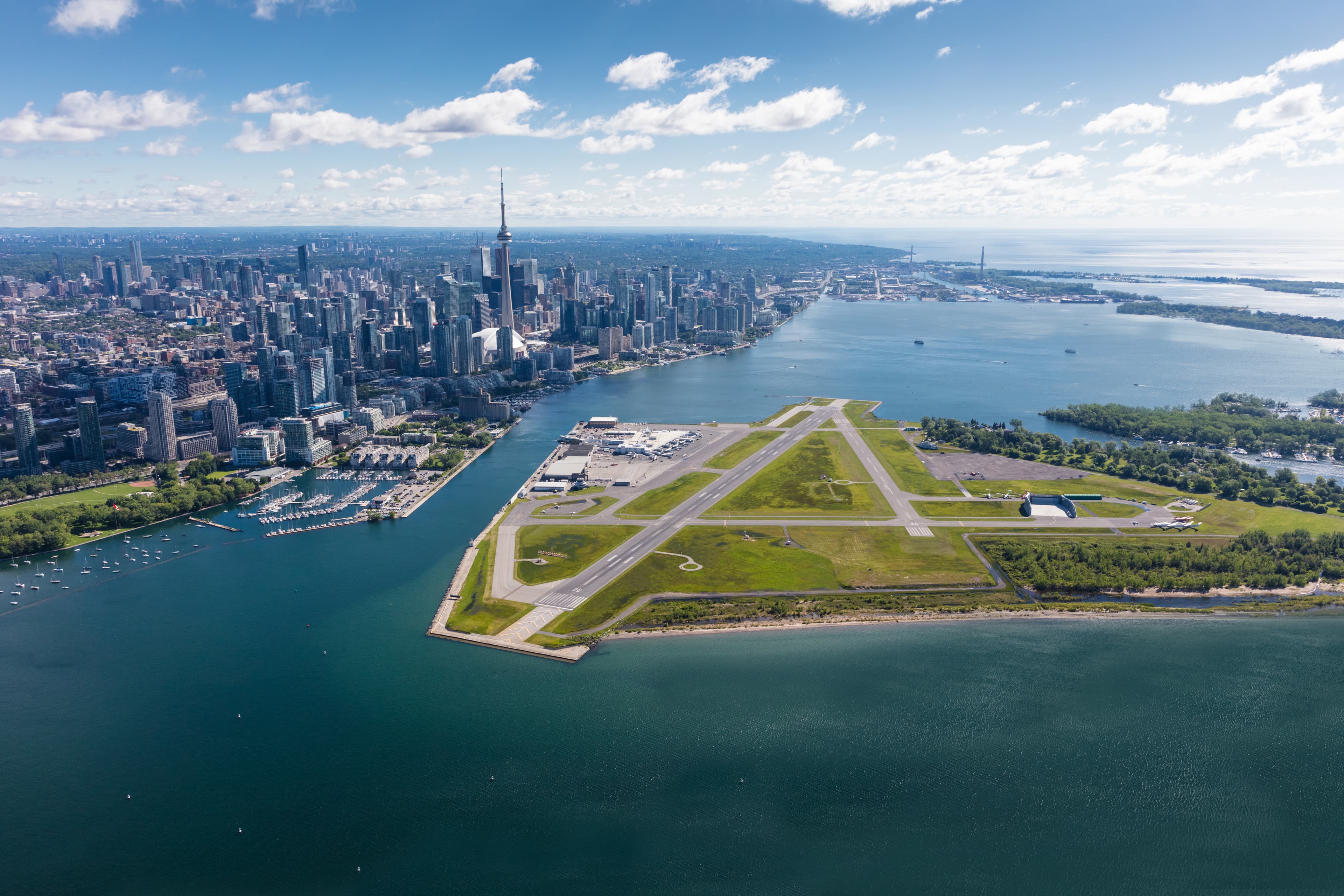
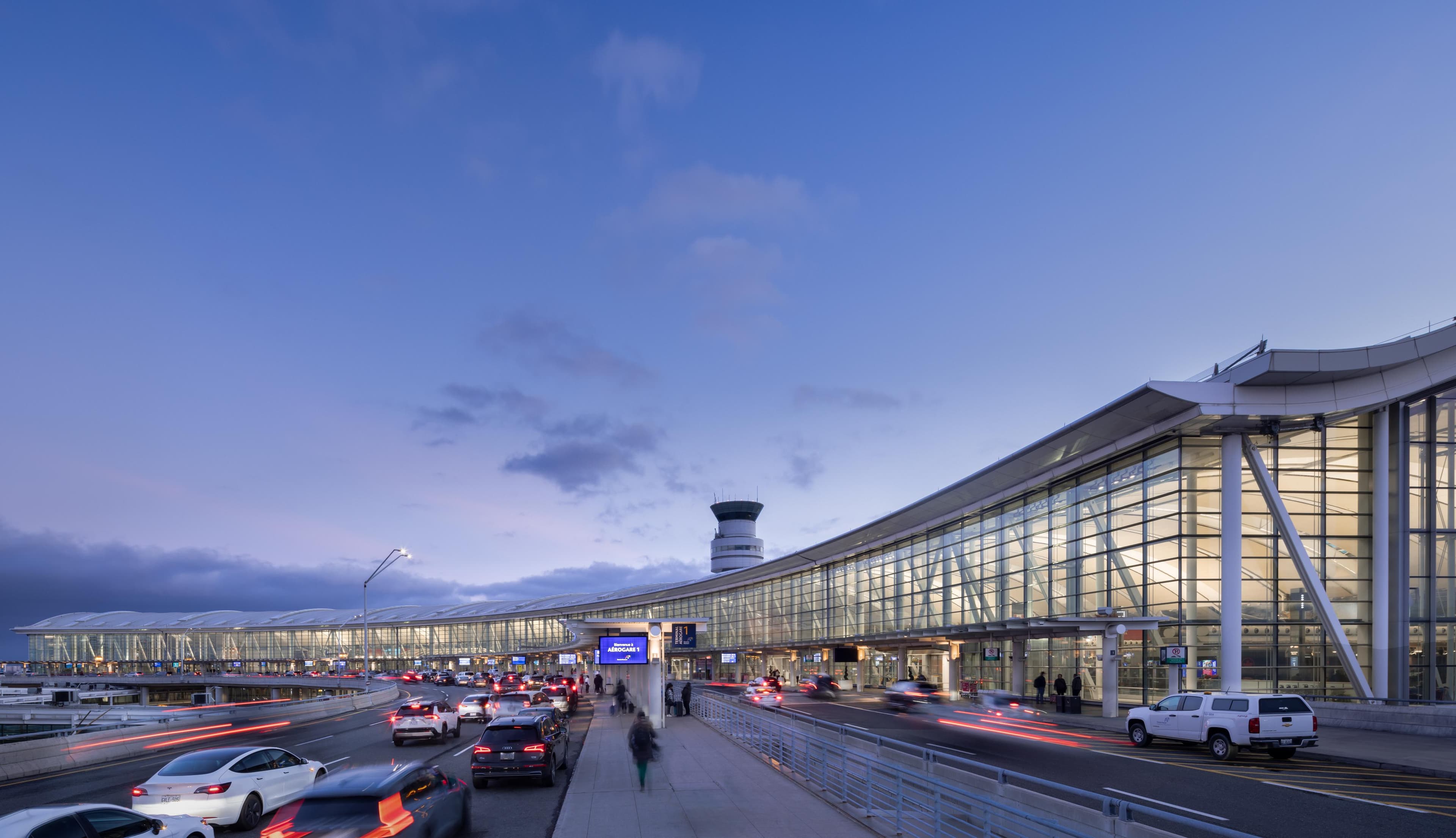
The LIFT (Long Term Investment in Facilities and Terminals) project has just taken off in Toronto, and it is already the subject of much discussion. And not just because of the cost, which administrators have—tentatively—estimated at “several billion dollars” for the time being, but mainly because of the feared impact on day-to-day operations on airport grounds.
As the country's air traffic hub, Pearson is seeking to revamp its image. And that is precisely the goal of the LIFT project: to improve flight punctuality, enhance the customer experience, and respond to the constant increase in passenger numbers.
By 2030, Pearson Airport expects to welcome 65 million passengers, an increase of almost 40% compared to current numbers.
The project is divided into three phases. The Accelerator phase, currently underway, aims to give the aging airport a short-term facelift.
Next will come the “Gateway” phase, a stage that will allow to “make room,” as the administrators explain. “We will evaluate the possibilities for expanding our terminal facilities,” they say.
Finally, the last phase will focus specifically on revamping Terminals 1 and 3 of the airport. “We will invest in optimizing parking facilities and city-side access to ensure a smoother arrival and departure experience,” we are told.
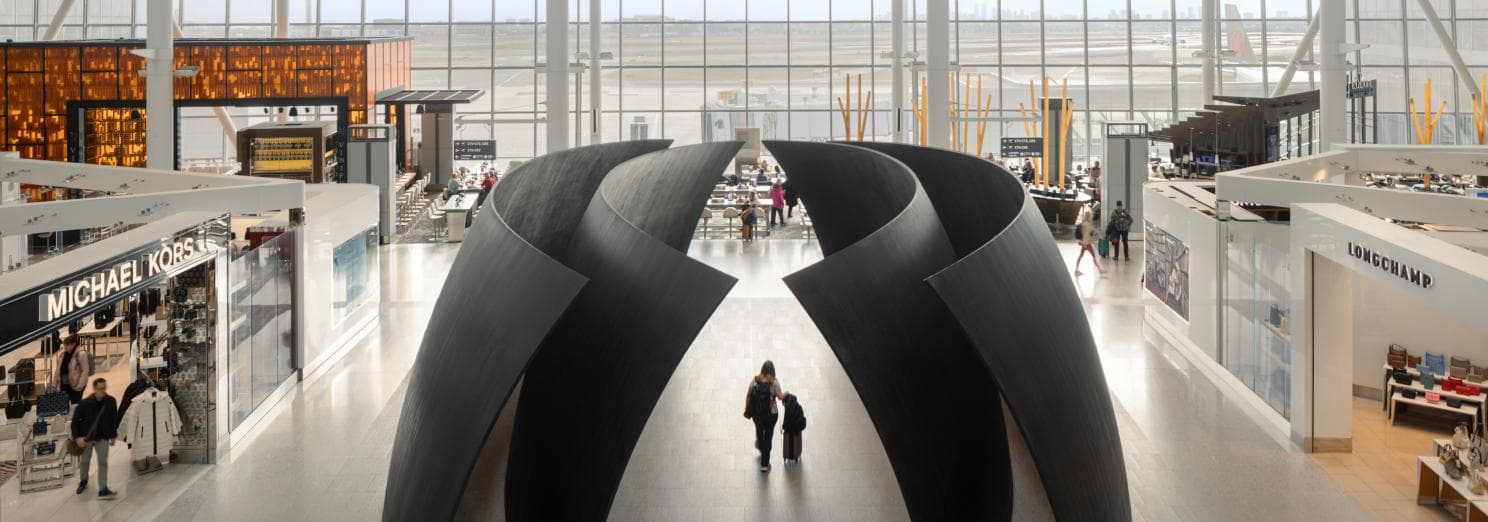
More flights at Billy Bishop Airport
Coincidence or not, Air Canada has already announced plans to increase the number of flights departing from Billy Bishop Airport to the United States.
Starting in March, the carrier will offer connecting flights between Toronto's downtown airport and La Guardia Airport in New York. Flights to O'Hare Airport in Chicago, Dulles Airport in Washington, and Logan Airport in Boston will be added later.
It must be said that Billy Bishop Airport had anticipated this move with the construction, in recent months, of a U.S. preclearance facility. This service, which required a $30 million investment from the Canadian government, is described as a success with undeniable economic impacts.
“Offering the option of clearing U.S. customs in Canada will be a real game changer for our passengers,” said RJ Steenstra, President and CEO of PortsToronto. This will be a huge benefit to the city of Toronto and the surrounding region, as this service will open up access to new markets and enhance the airport's positive impact on trade, tourism, job creation, and innovation.”
Spillover effects in Kitchener/Waterloo
At the same time, another airport is seeing its influence grow: the one in the Waterloo region, west of Toronto.
To minimize delays and facilitate connections, Air Canada has announced a significant increase in bus service between Waterloo and Pearson airports. The number of daily round trips has increased from 5 to 10.
This bus service makes it easier for travelers to cover the hundred kilometers between the two airports.
“This service increase is a very positive investment in the future of our community,” said Karen Redman, Chair of Waterloo Regional Council. “Doubling the frequency of service enhances Waterloo Region’s global reach and opens new doors for our residents, businesses, and visitors.”