It was to be expected: artificial intelligence has made its way into airspace. For several weeks now, AI has taken the form of a “digital twin” in Nav Canada's regional control centers, a kind of virtual assistant capable of supporting and assisting air traffic controllers.
This digital twin has immense computing power. It can predict what Canadian airspace will look like a day in advance.
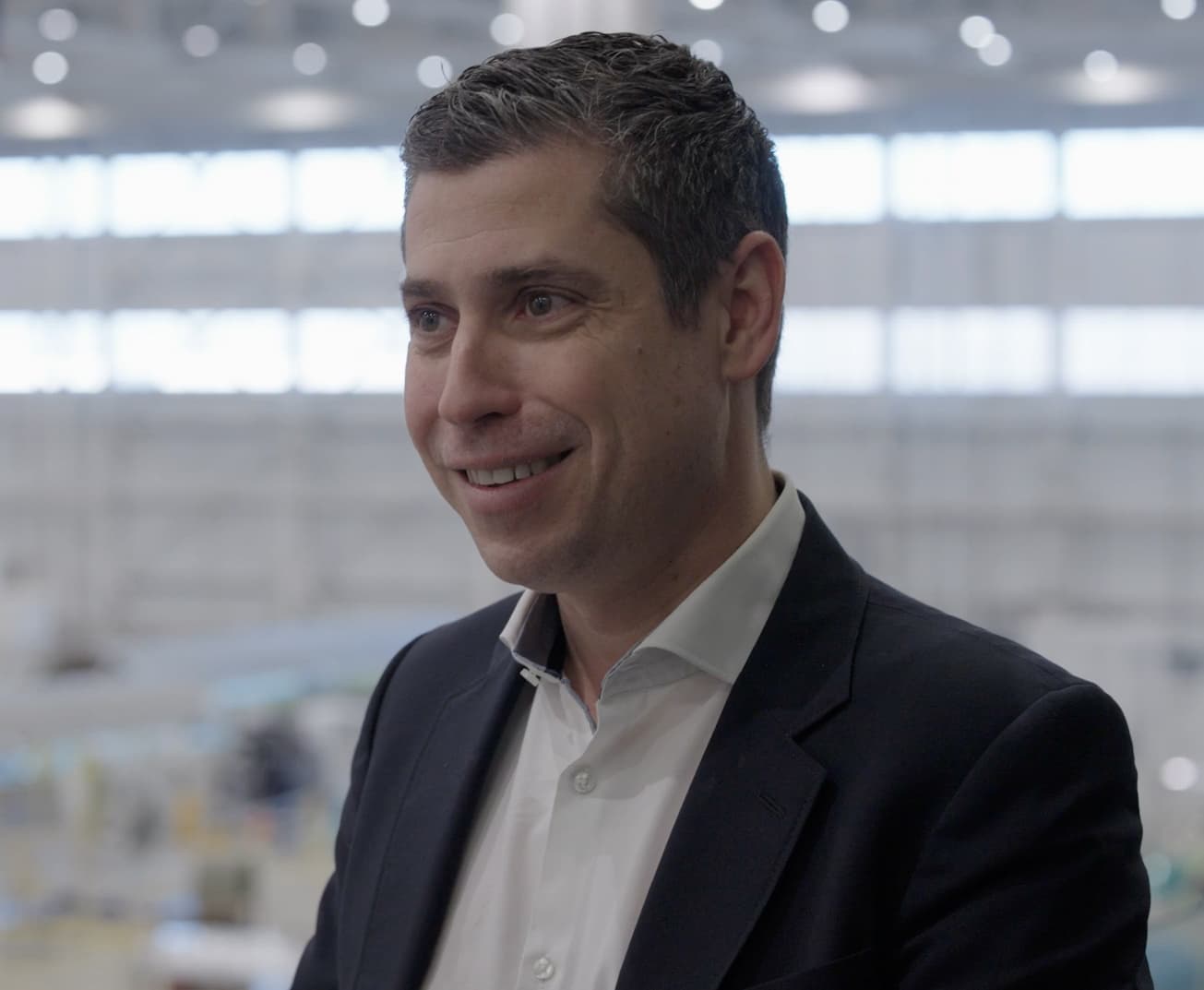
“It's a strategic planning tool that forecasts air traffic up to 30 hours in advance”
explains Maryam Amini of Nav Canada
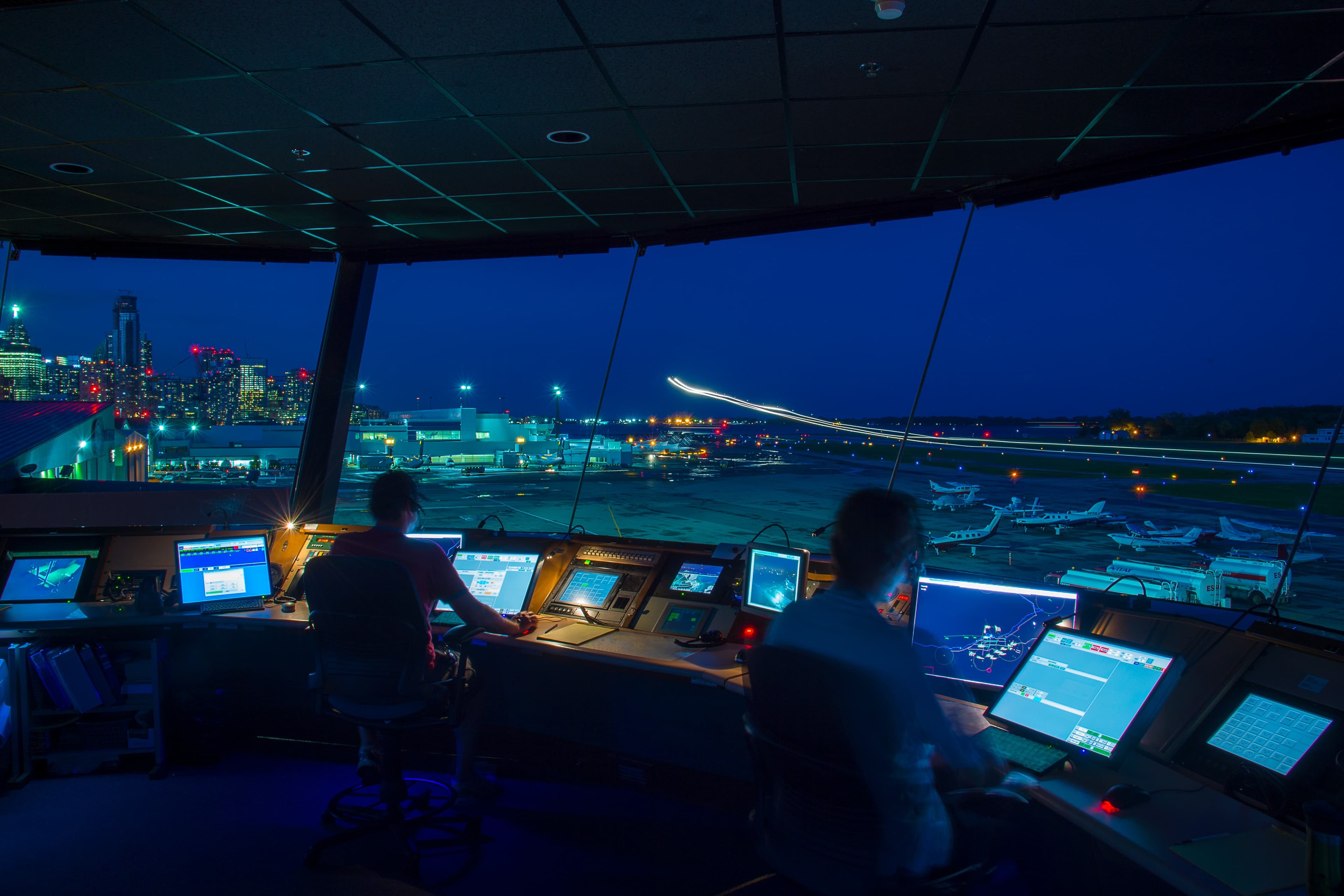
Pretty convenient when it comes to scheduling staff who are physically present in air traffic control centers.
In concrete terms, the DT-SPO twin is capable of predicting aircraft schedules, determining flight paths, and anticipating changes in altitude and spacing.
“This information allows us to determine the appropriate staffing levels to safely and efficiently manage expected traffic volumes,” Nav Canada explained in an interview with Propelia. “We are becoming more efficient in resource planning, which promotes both safety management and service excellence.”
Plan for tomorrow... and find solutions
Simply put, Nav Canada's digital twin doesn't just predict the future for air traffic managers: it also helps find solutions when that future becomes a little too complicated to manage.
“For example, the digital twin enables airspace planning by offering the ability to evaluate multiple design scenarios, by comparing their impact on traffic flows and controller workload,” says Maryam Amini.
It must be said that Canadian airspace, an area of 18 million square kilometers where 9,000 flights fly daily, is not easy to monitor. The DT-SPO has been in Nav Canada's plans since 2020.
In recent months, it has been implemented at the control center in Toronto. Then in Winnipeg, Edmonton, Vancouver, Montreal, Moncton, and finally Gander.
A twin who still must pass the test
As effective as it may be, the digital twin is still undergoing testing. Nav Canada is monitoring it closely by comparing the AI's predictions with the actual situations, experienced by human controllers.
“In post-operational analysis,” Nav Canada explains, “DT-SPO allows us to compare planned and actual traffic and workloads in regional control centers. These observations contribute to the continuous improvement of our airspace forecasting and sectoring models, thereby enhancing forecast accuracy over time, and future planning capabilities.
This technological innovation even earned Nav Canada recognition at the Air Traffic Management Awards last May.
Replacing the human controller?
It's hard not to ask the question: is the job of air traffic controller, sitting in front of a screen or in a control tower, destined to disappear at some point? Nav Canada is reassuring.
“Automation must be designed to support human operators”
Maryam Amini replies
Nav Canada says it wants to equip its teams with “the best decision-making tools, ensuring that technology enhances human judgment rather than replacing it.”
In the short term, the digital twin will integrate new data into its crystal ball: weather factors.
And this is just the beginning.